Cashless infrastructure moves from upgrade project to build requirement
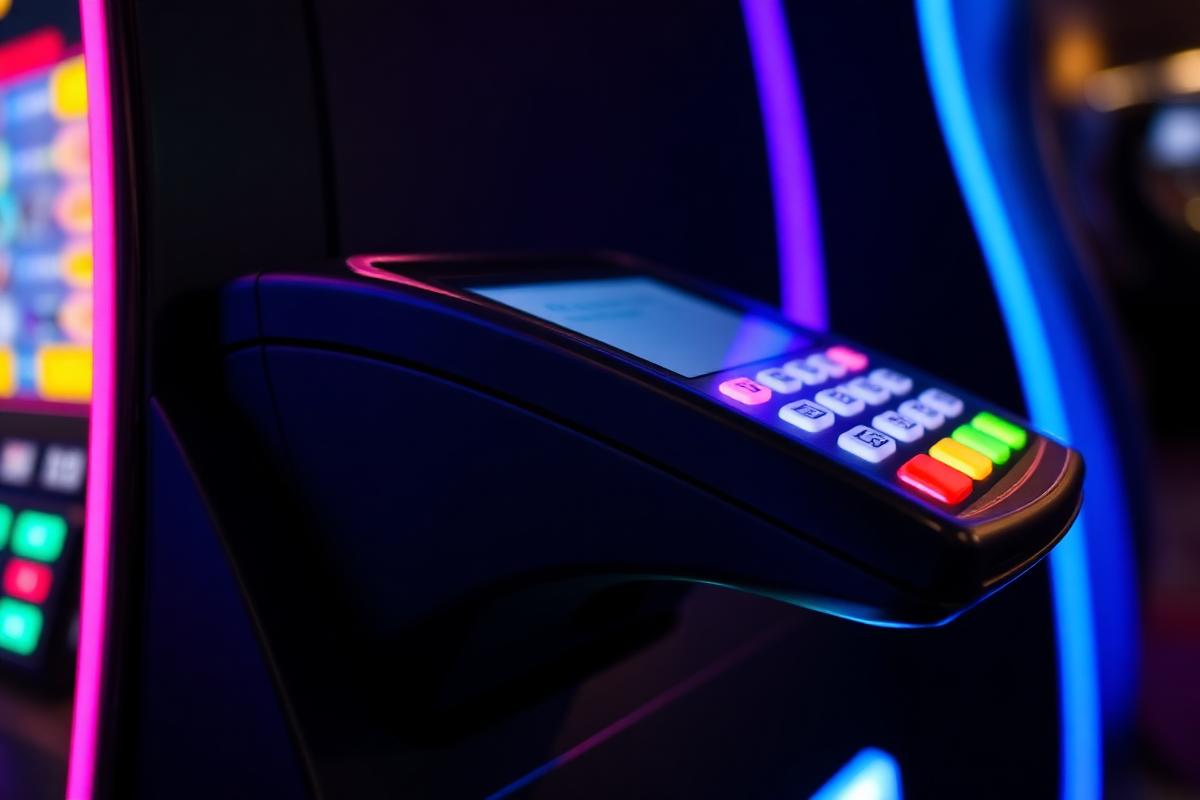
Account-based play hardware is being specified at the construction stage rather than retrofitted, and the change is reshaping cabling, cage design and the way venues plan their floor management systems.
Nathan Boyle · Published 9 August 2026 · Updated 10 August 2026 · 8 min read · New Zealand
Key points
- —New venue fit-outs specify card and mobile readers as standard hardware.
- —Cage and counting-room design shrinks where cash volumes fall.
- —Harm-minimisation settings are increasingly bundled with the payment layer.
Designed in, not bolted on
Retrofitting account-based play into an operating venue is expensive and disruptive: readers must be mounted, machines rewired, and floor systems reconciled. Venues currently in construction are avoiding that cost by specifying the payment layer alongside power and data at the earliest design stage.
The knock-on effects reach the back of house. Where cash volumes are expected to fall, counting rooms and armoured logistics arrangements are sized down accordingly, freeing floor area for other uses.

“Cash handling used to define the back of house. Now the network closet does.”
Venue operations consultant, Auckland
The harm-minimisation layer
Because account-based systems know who is playing, they can carry limits, breaks in play and activity statements. Several suppliers now ship those controls as part of the platform rather than as a separate module, which simplifies compliance reporting for operators.

Open questions
Interoperability remains unresolved. Venues operating multiple machine brands report friction where each supplier expects its own wallet layer, and floor management vendors are positioning themselves as the neutral ground between them.
Typical retrofit window
6–14 weeks per venue
Hardware
Reader, secure element, floor controller
Bundled controls
Limits, breaks, statements
Primary sources
- Supplier deployment documentation — Vendor technical notes
- Venue fit-out tender documents — Public procurement records
Related stories